
Solar system fundamentals
Understanding Solar Energy Flow: From Solar Panels to Your Home, Battery, and the Grid
A solar system is a coordinated energy path. The panels generate electricity, the inverter converts it, the property uses it, and the battery or utility grid supports the remaining demand according to the system design.
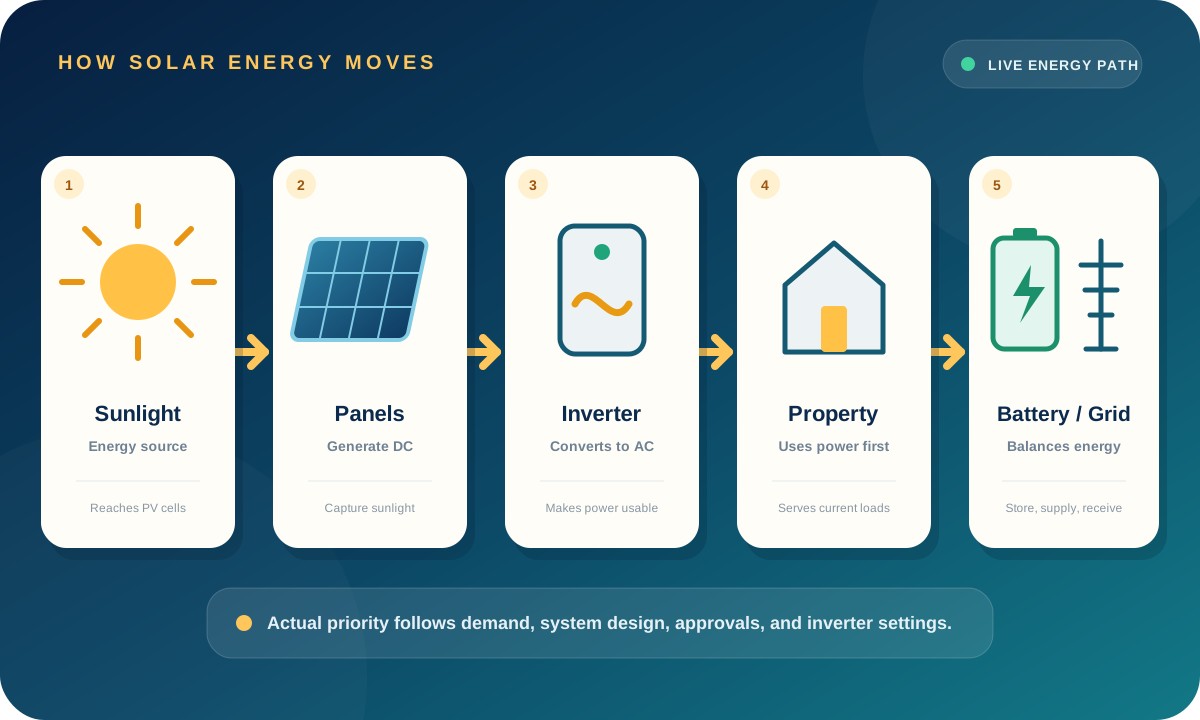
Solar energy is more than panels on a roof. A complete system connects solar panels, an inverter, the property's electrical loads, battery storage when included, protection equipment, and the utility grid when connected.
Understanding that flow makes it easier to compare grid-tied, hybrid, and off-grid options. It also explains why the right system depends on the way a home or business actually uses electricity.
The simple flow
Sunlight becomes usable electricity, then follows the property's demand and system settings.
- Solar panels convert sunlight into direct current (DC) electricity.
- The inverter converts DC electricity into alternating current (AC).
- The property uses the available AC electricity for appliances and equipment.
- A battery may store available energy or supply selected loads later.
- The utility grid may supply a shortfall or receive eligible excess electricity.
How Does Solar Energy Work?
Solar photovoltaic panels contain cells that convert sunlight into DC electricity. Most homes and businesses use AC electricity, so the inverter changes the DC output into AC electricity that can be used by the property's electrical system.
The illustration is a simplified path. Real systems also include wiring, isolators, circuit protection, metering, mounting, monitoring, and other equipment selected for the approved design.
kW describes the rate of power at a moment. kWh describes the amount of energy used or produced over time. Both matter when matching an inverter, solar array, battery, and electrical loads.
Where Does the Solar Electricity Go?
Once the inverter produces usable AC electricity, the property can use it for lights, air conditioners, refrigerators, computers, pumps, machinery, and other loads. If demand is lower than available production, the next step depends on the system design.
Available solar can serve appliances and equipment operating at that moment.
A hybrid or off-grid system may store available energy according to battery and inverter settings.
An approved Net Metering setup may export eligible excess; a Zero Export setup controls export.
If solar production is lower than current demand, a grid-connected system can import the shortfall from the utility. A hybrid system may also discharge the battery according to the operating settings. An off-grid system must rely on its planned generation and stored energy because normal utility support is not available.
Read the Net Metering versus Zero Export guide to understand how grid-connected systems handle excess electricity.
Grid-Tied, Hybrid, and Off-Grid Solar Energy Flow
Not every solar system sends electricity along the same path. The three common configurations balance production, demand, storage, and the grid differently.
Solar + property + utility
Solar serves current loads while the grid supplies any shortfall. Eligible excess may be exported only under the approved arrangement.
Solar + battery + utility
Solar can serve current loads and charge the battery. Stored energy may support selected loads later or during an outage, depending on the design.
Solar + battery, no normal grid
The array, inverter, storage, and operating plan must meet the property's needs without relying on ordinary utility supply.
Grid-Tied Solar
A grid-tied system works alongside the utility. During the day, available solar can serve the property's loads. The grid supplies additional electricity when production is insufficient. Depending on eligibility, utility approval, and system configuration, excess renewable electricity may be exported through a Net Metering arrangement.
Hybrid Solar
A hybrid system combines solar panels, battery storage, and a utility connection. The exact priority - property loads, battery charging, grid import, or approved export - follows the inverter settings and system design. Backup power is normally limited to selected circuits and available battery capacity.
Off-Grid Solar
An off-grid system operates without normal utility support. Daily energy use, appliance wattage, hours of use, simultaneous loads, motor surges, battery capacity, and expected solar production all need to be evaluated carefully. An off-grid design also needs an operating plan for extended cloudy periods or unexpected demand.
What Happens During a Power Outage?
A standard grid-tied solar system is not automatically a backup-power system. When the utility grid goes down, a conventional grid-tied inverter generally shuts down to help prevent electricity from being sent into lines that may be under repair.
A properly designed hybrid system with compatible battery storage and backup capability may keep selected loads running during an outage. The available power and runtime depend on the inverter, battery, electrical configuration, state of charge, and the loads connected to the backup circuit.
Backup may be planned for lights, refrigeration, internet equipment, security systems, pumps, or selected business equipment. Trying to back up every load can materially increase the required inverter and storage capacity.
See the battery storage and backup planning guide for the questions to answer before selecting capacity.
Why Proper Solar System Sizing Matters
Choosing solar involves more than counting the panels that fit on a roof. Panel capacity, inverter capacity, battery storage, cable sizing, protection, and the grid arrangement need to work together.
A property that uses substantial electricity during the day may consume more solar production directly. A property with high nighttime use may have a different storage or grid requirement. A business with motors or machinery may also have power, surge, and operating-hour considerations that are not visible from the monthly bill alone.
A complete design considers:
- Recent electricity consumption
- Daily and seasonal usage patterns
- Available roof or mounting space
- Shading and site conditions
- Existing electrical system
- Panel and inverter capacity
- Battery requirements, if any
- Backup loads and target runtime
- Utility and export arrangement
- Future electrical loads
This is why Bright Horizon Solar uses consumption and property information to establish a starting direction, then confirms the final design through a technical site assessment.
Solar Energy Works as One Complete System
The panels, inverter, electrical loads, battery, protection equipment, and grid connection are not separate purchasing decisions. Their ratings, operating limits, and intended roles need to be coordinated.
More panels do not automatically mean a better system. A large battery does not automatically mean long backup. The system needs to match the property's actual consumption, site conditions, electrical requirements, and energy goals.
The right solar system starts with understanding how energy moves through the property - not with choosing equipment in isolation.
Choose a Solar System Designed Around Your Property
Every home and business has different operating schedules, available space, electrical conditions, and energy priorities. Bright Horizon Solar and JPMC Engineering Services provide residential and commercial grid-tied, hybrid, and off-grid solutions planned around those real conditions.
Start with recent electricity bills and an honest picture of daily use. Then identify whether the priority is lower daytime grid consumption, backup for selected loads, or greater independence. The solar installation checklist for the Philippines can help organize the information before requesting a quotation.
When you are ready, use the Solar System Builder for an initial direction or contact the Bright Horizon Solar team for a site-specific assessment.
Frequently Asked Questions About Solar Energy Flow
How does electricity flow through a solar system?
Sunlight reaches the solar panels, which generate DC electricity. The inverter converts it to usable AC electricity. The property uses the available power, while a battery or utility grid may store, receive, or supply energy depending on the system design.
Does solar power the property or charge the battery first?
The priority depends on the inverter settings and approved system design. Many systems serve current property loads first, then use available energy for battery charging or permitted export.
What happens when solar panels are not producing enough electricity?
A grid-connected property can import the shortfall from the utility. A hybrid system may also use stored battery energy according to its settings. An off-grid system relies on its planned generation and storage.
Will grid-tied solar work during a power outage?
A conventional grid-tied system generally shuts down during a utility outage for safety. Backup requires suitable hybrid or backup-capable equipment, battery storage, and a properly designed backup circuit.
What is the difference between grid-tied, hybrid, and off-grid solar?
Grid-tied solar works with the utility, hybrid solar combines solar with battery storage and a grid connection, and off-grid solar is designed to operate without normal utility support.
Why does solar system sizing matter?
Panel, inverter, battery, and protection choices must match the property's consumption, usage timing, available space, electrical condition, and intended backup or grid arrangement.