
Property-specific solar planning
Solar Site Assessment: Why It Matters Before Installing Solar Panels
A proper solar design begins with the property's electricity use, usable installation area, shading, electrical condition, energy goals, and backup requirements—not a generic panel package.
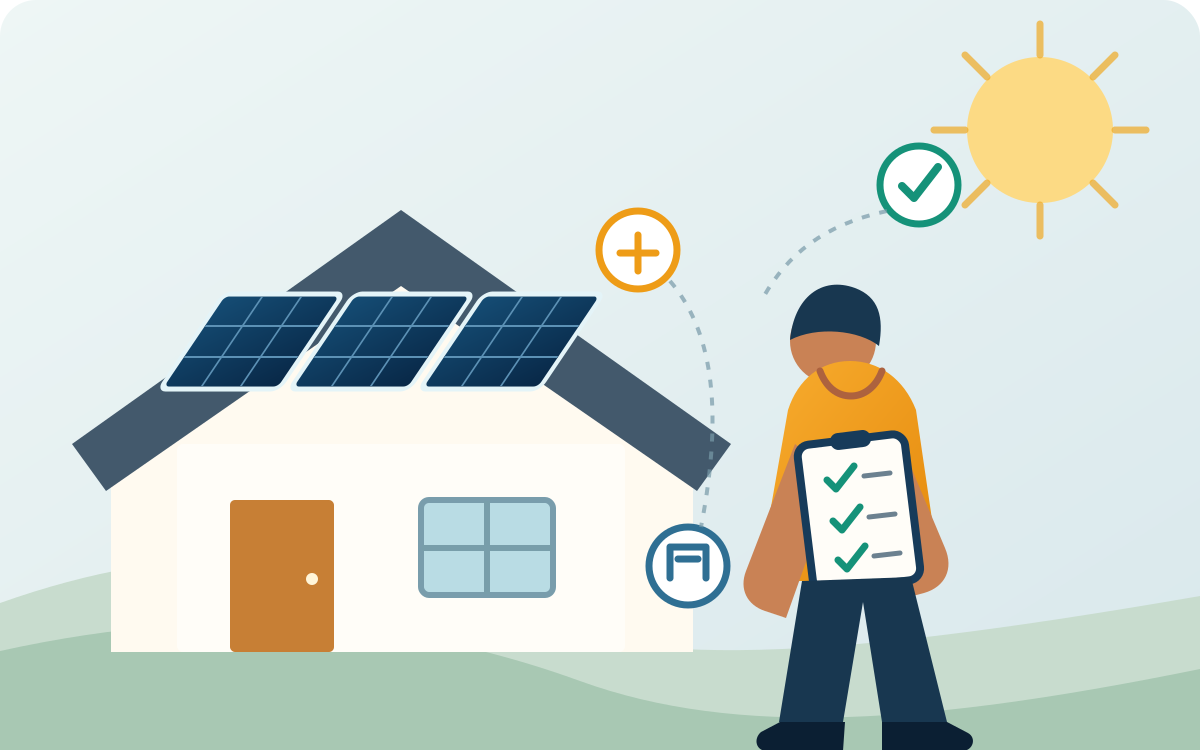
Before installing solar panels, it is important to understand what the property actually needs. A solar system should not be selected simply because it has a certain number of panels or because it comes in a standard package.
Electricity consumption, usable roof area, shading, electrical condition, and energy goals can all affect how a solar system should be planned. This is why a solar site assessment is an important part of the solar installation process.
For Bright Horizon Solar, residential solar systems are designed around the property rather than based on a generic package. The assessment considers the property's actual conditions and electricity needs before determining whether a grid-tied, hybrid, or off-grid system may be appropriate.
The short answer
The property and its actual energy use should determine the solar design.
- Recent electricity bills establish the starting consumption.
- Usable roof area and shading affect panel placement.
- Roof, mounting, cable, and electrical conditions shape the installation plan.
- Energy goals and backup priorities influence the system type.
- A technical assessment confirms the final design before installation.
What Is a Solar Site Assessment?
A solar site assessment is the process of evaluating a property before the final solar system is designed and installed. It considers different factors that can affect the solar system, including electricity consumption, usable roof area, shading, roof type, mounting area, the existing electrical system, cable routes, protection, energy goals, and backup requirements.
Every property is different. One property may have enough usable roof space for a certain number of panels, while another may have limited space, more shading, or different electrical conditions. Because of these differences, the same solar setup may not be suitable for every property.
A technical assessment helps turn the initial information about the property into a more specific solar system design.
Why Is a Solar Site Assessment Important?
A solar site assessment helps ensure that the system is planned according to the property's actual conditions and electricity needs.
Instead of immediately choosing a standard solar package, the assessment looks at both the property's energy consumption and its physical characteristics.
It can help answer important questions such as:
- How much electricity does the property normally use?
- How much roof area can actually be used for solar panels?
- Are there shaded areas that need to be considered?
- What is the condition of the existing electrical system?
- What type of mounting area is available?
- Does the property need backup power?
- What are the property's main energy goals?
- Would a grid-tied, hybrid, or off-grid system be appropriate?
These factors can influence the final solar system design.
Bright Horizon Solar uses the electricity bill and usage pattern to guide the starting capacity, while a technical assessment is used to confirm the final design.
What Does a Solar Site Assessment Check?
1. Electricity Consumption
Electricity consumption is one of the first things to consider when planning a solar system.
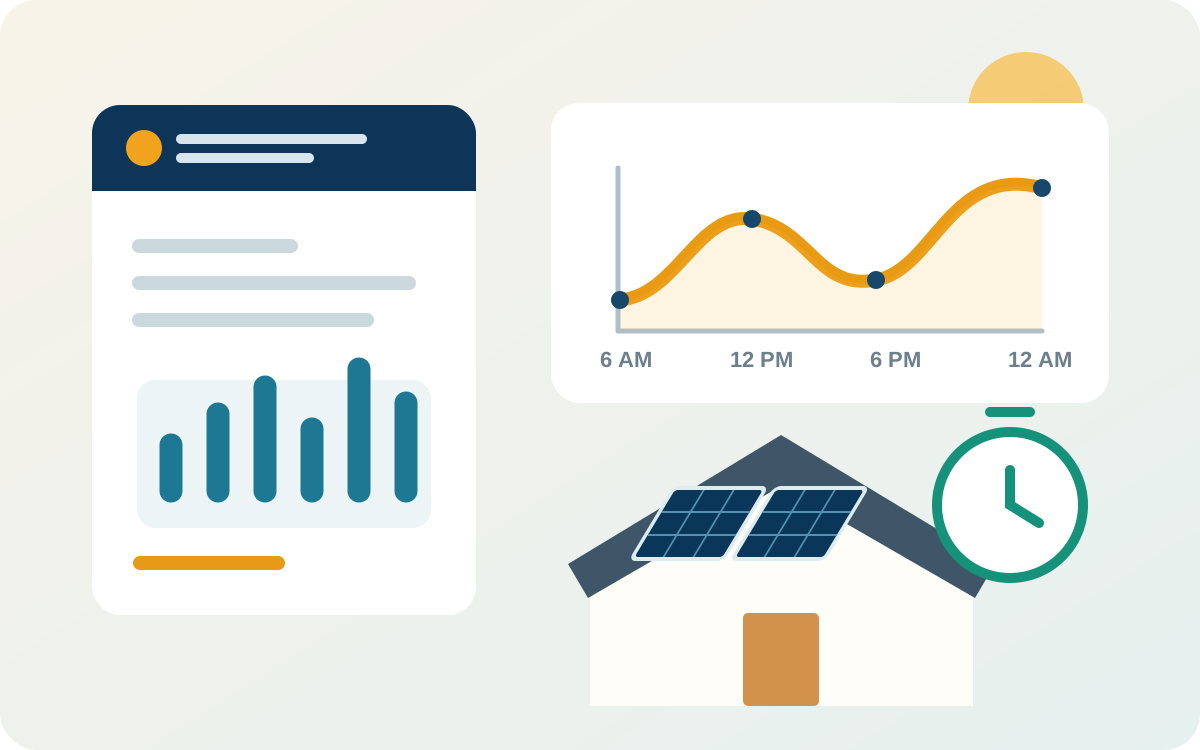
Recent electricity bills can show how much electricity the property normally uses. The usage pattern is also important because electricity consumption can change depending on how and when appliances and equipment are used.
Bright Horizon Solar follows a consumption-led sizing approach. This means the electricity bill and usage pattern help guide the starting capacity of the solar system.
However, the starting capacity is not necessarily the final design. The technical assessment still needs to consider the actual property before the system is finalized. The Solar Cost and Sizing Guide explains how consumption and property conditions work together.
2. Usable Roof Area
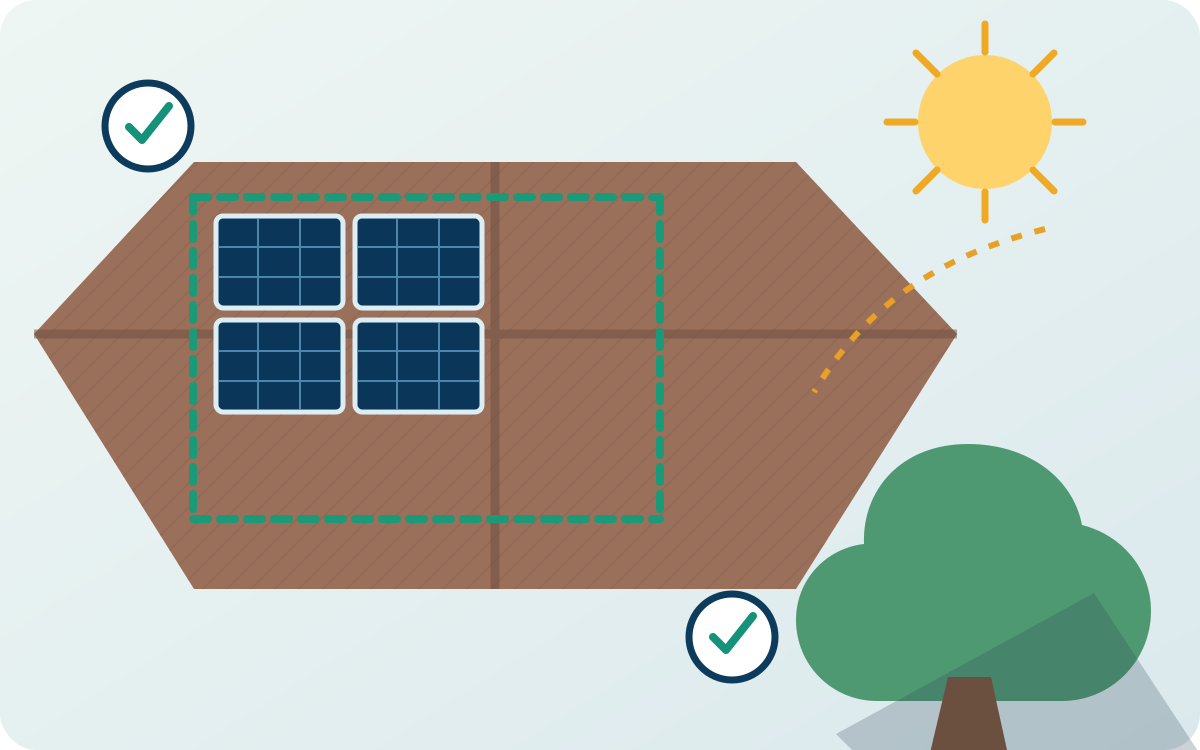
The total size of a roof does not automatically mean that every part of it can be used for solar panels. The assessment considers the usable roof area and available mounting area when planning where the panels can be installed.
This matters because available space can affect the number and arrangement of panels that can be installed. A property with a large usable roof area may have more installation options, while limited space may require a different system design.
3. Shading
Shading is another important factor in solar planning.
Trees, nearby structures, and other objects can create shaded areas on a roof. Since solar panels need sunlight to generate electricity, shading needs to be considered when determining panel placement.
Looking at the actual property helps identify areas that may affect the solar design instead of assuming that the entire roof receives the same amount of sunlight.
4. Roof Type and Mounting Area
The roof itself is also part of the assessment.
Different properties can have different roof types and available mounting areas. The solar design needs to account for the actual roof conditions and determine where the solar equipment can be installed. Considering these factors helps create a system that is suited to the property rather than treating every roof the same way. Read more about roof assessment, mounting, and waterproofing before solar installation.
5. Electrical Condition
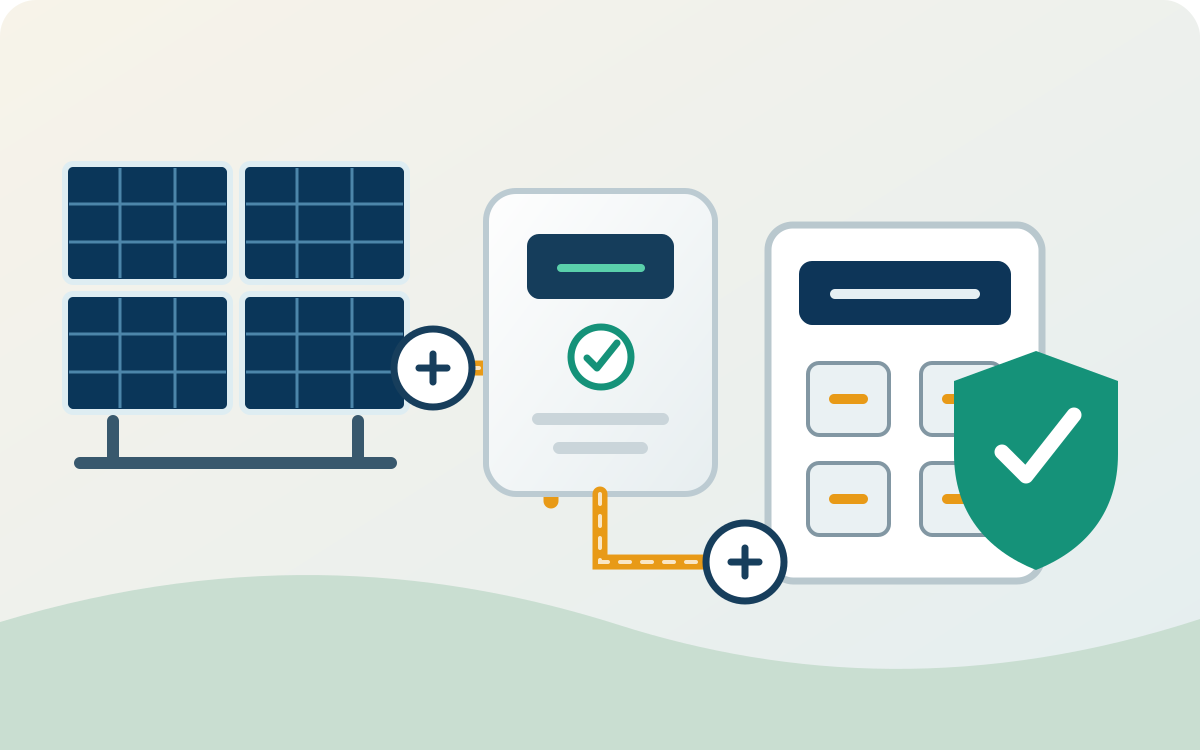
Solar panels are only one part of a complete solar system. The existing electrical system also needs to be considered before the final design is confirmed.
Bright Horizon Solar's residential solar approach includes reviewing the condition of the existing electrical system. This helps ensure that the solar system is planned together with the property's existing electrical setup.
6. Cable Routes and Protection
The solar design also needs to account for cable routes and protection. Solar components need to connect properly with the property's existing electrical system, so cable routing and protection are part of the overall installation planning.
Considering these details before installation helps create a more organized system design based on the property's actual conditions.
7. Energy Goals and Backup Requirements
Not every property has the same reason for installing solar. Some properties may mainly want to reduce daytime electricity costs, while others may prioritize backup power during outages. There may also be a goal of achieving greater energy independence.
These priorities can affect the type of solar system that may be suitable. For example, a property focused mainly on daytime energy savings may have different requirements from one that needs backup power during outages. Understanding these goals helps determine whether a grid-tied, hybrid, or off-grid system may be appropriate.
How Does the Assessment Affect the Final Solar System?
The final solar system is not determined by electricity consumption alone.
The electricity bill and usage pattern can provide a starting point for the system capacity, but the technical assessment also needs to consider the property's physical conditions.
This includes:
- Usable roof area
- Shading
- Roof type
- Mounting area
- Electrical condition
- Cable routes and protection
- Energy goals
- Backup requirements
Together, these factors help determine how the solar system can be designed around the property.
For Bright Horizon Solar, the electricity bill and usage pattern guide the starting capacity, while the technical assessment confirms the final design.
Why Not Just Choose a Standard Solar Package?
It can be tempting to compare solar systems based only on price or the number of panels included. However, a solar system is more than just the panels. It needs to work with the property's electricity consumption, roof, mounting area, electrical system, cable routes, protection requirements, and energy goals.
A system that works for one property may not be appropriate for another. This is why Bright Horizon Solar's residential solar approach focuses on designing the system around the property rather than using a generic package. The goal is to understand the property first and then determine what type of solar system may fit its actual needs.
What Type of Solar System May Be Suitable?
A site assessment can help determine which general type of solar system may fit the property's needs.
Grid-Tied Solar
A grid-tied system works alongside the utility grid and can be considered when the main priority is using solar to help meet electricity needs while remaining connected to the grid.
This can be relevant for properties that are mainly interested in reducing daytime grid consumption.
Hybrid Solar
A hybrid system can be considered when backup power is also an important priority. This type of setup can combine solar generation with battery storage and grid power, depending on the system design and the property's needs.
Off-Grid Solar
An off-grid system is designed for greater energy independence and does not rely on the utility grid in the same way as a grid-tied system. Because the system needs to meet the property's energy requirements without normal grid supply, electricity consumption and backup requirements become especially important when planning this type of system.
Bright Horizon Solar identifies grid-tied, hybrid, and off-grid systems as possible residential solutions depending on the property's needs and priorities.
What Should You Prepare for a Solar Site Assessment?
If you are considering solar, it can help to prepare information about your property's electricity usage.
One of the most useful things to have is a recent electricity bill. This provides information about the property's consumption and gives the solar provider a starting point for understanding its energy needs.
It can also help to know:
- Which appliances or equipment use the most electricity
- How electricity is normally used throughout the day
- Whether backup power is important
- Which electrical loads are most important during an outage
- Basic information about the roof
- Any known concerns with the existing electrical system
Having this information ready can make the assessment more useful because the solar system can be considered based on actual information rather than assumptions.
What Happens After the Initial Assessment?
The initial information helps establish a starting point for the solar project. The electricity bill and usage pattern can guide the starting capacity, while a technical assessment helps confirm the final design.
This means the process does not end with simply reviewing the electricity bill. The actual property still needs to be considered so the final system can account for its roof, electrical condition, usable area, shading, mounting requirements, cable routes, protection, and energy goals.
Why a Property-Specific Solar Design Matters
There is no single solar setup that automatically works for every property. Electricity consumption can be different. Roof space can be different. Shading and electrical conditions can be different. Most importantly, the reason for installing solar can also be different.
One property may mainly want daytime savings, while another may place more importance on backup power or greater energy independence. By considering these differences during the assessment, the solar system can be planned around the actual property instead of simply copying a standard setup.
Bright Horizon Solar's Approach
Bright Horizon Solar's residential solar approach starts with understanding the property and its electricity needs before recommending a system. The company considers electricity consumption, usable roof area, shading, roof type, mounting area, electrical condition, cable routes, protection, energy goals, and backup requirements as part of the planning process.
Its consumption-led approach uses the electricity bill and usage pattern to guide the starting capacity, followed by a technical assessment to confirm the final design. This approach helps align the solar system with the property's actual conditions and the customer's energy goals rather than relying on a one-size-fits-all package.
Ready to Know If Solar Fits Your Property?
If you are considering solar and want to understand what type or size of system may be suitable for your property, Bright Horizon Solar can help you take the first step with an initial assessment. Prepare your recent electricity bill and basic information about your property's electricity usage and backup requirements. This can provide a useful starting point for evaluating your solar needs.
Contact Bright Horizon Solar today and start planning a solar system designed around your property's actual conditions and energy needs.
Frequently Asked Questions About Solar Site Assessments
What does a solar site assessment check?
A solar site assessment reviews electricity consumption, usable roof or mounting area, shading, roof type, electrical condition, cable routes, protection, energy goals, and backup requirements.
Why is an electricity bill needed for a solar assessment?
A recent electricity bill helps establish the property's normal consumption and gives the solar provider a starting point for estimating system capacity.
Does a site assessment determine the final solar system size?
The electricity bill and usage pattern guide the starting capacity, while the technical assessment confirms the final design against the property's actual conditions.
Can one standard solar package work for every property?
No. Properties differ in consumption, usable space, shading, electrical condition, mounting requirements, and energy goals, so the system should be designed around the actual property.