
Philippines solar planning guide
Solar System Sizing in the Philippines: Cost Factors & Guide
What determines the right solar capacity and project cost for a Philippine home or business? Start with electricity use, then verify the site, equipment, backup goal, and complete installation scope.
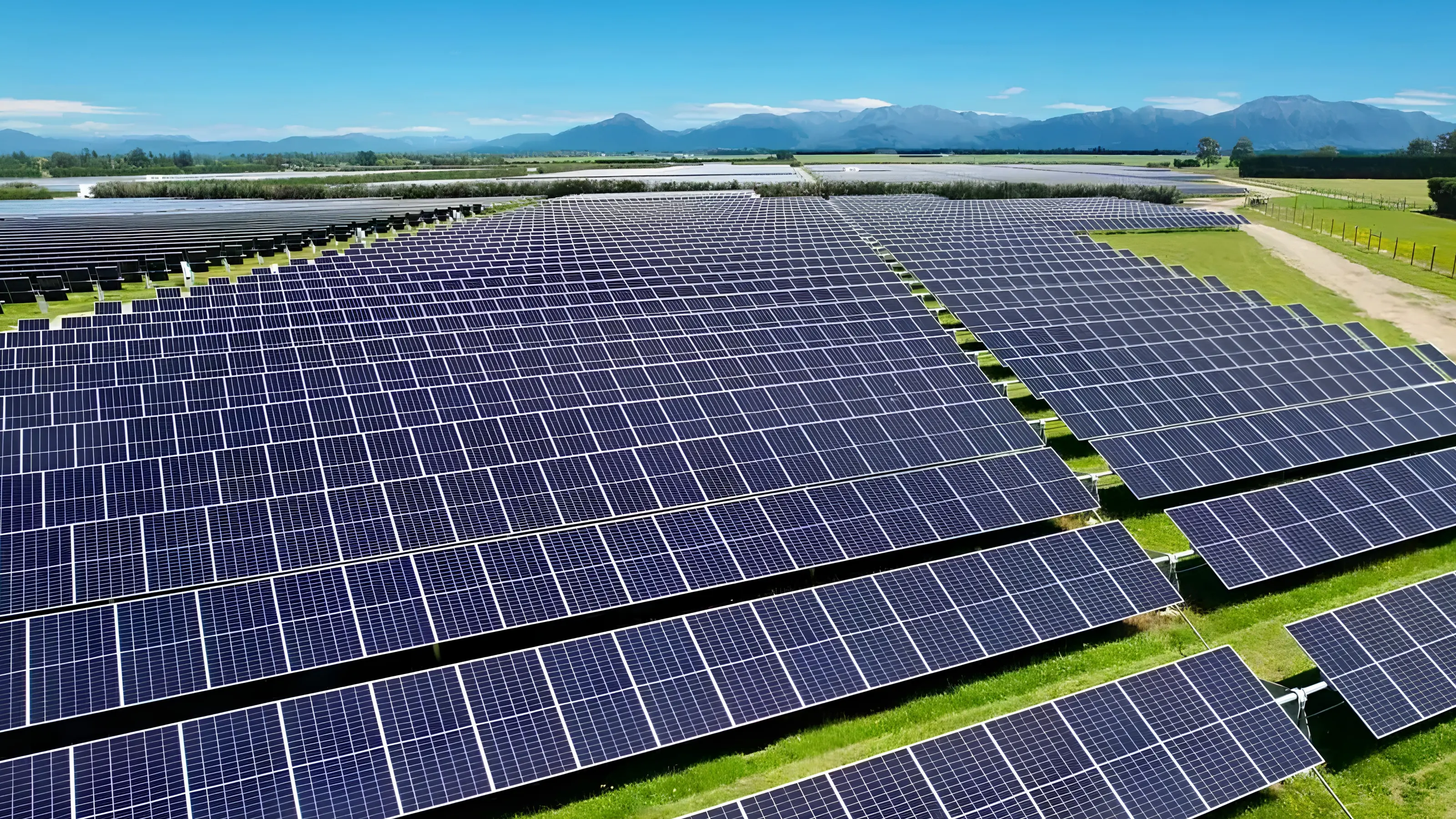
Thinking about installing solar for your home or business but unsure how much it costs or what size you need? These are among the most common questions before going solar. Yet there is no fixed package that fits every property.
Solar cost and sizing in the Philippines depend on electricity consumption, usage patterns, roof or ground space, shading, electrical conditions, equipment choices, battery needs, and the type of system suited to the property. Bright Horizon Solar uses a property-specific approach: energy use and site conditions are reviewed before a final design is recommended.
The short answer
The correct size is the one matched to how and when the property uses electricity.
- Your recent bills establish a starting point.
- Daytime and nighttime use affect system direction.
- Roof, shading, electrical conditions, and cable routes can change the practical design.
- Batteries should be sized around named backup loads and target runtime.
- An official quotation should state the same capacity, equipment, inclusions, and exclusions you are comparing.
What is solar system sizing?
Solar system sizing is the process of determining the solar capacity a property needs. Your electricity bill is an important starting point, but monthly consumption alone does not determine the final size.
Two homes can consume the same amount of electricity but use it at different times. A household with high daytime consumption may use more solar production directly, while a household that uses more power at night may need a different design or battery storage. The assessment should therefore consider both total consumption and the timing of demand.
For residential projects, recent bills and the customer’s usage pattern provide the baseline. A technical assessment then confirms usable space, shading, roof condition, cable routes, electrical capacity, and backup priorities. Commercial properties also need operating hours, simultaneous loads, motors or machinery, and possible future expansion reviewed.
What affects solar system cost in the Philippines?
There is no universal solar system price because each installation has different requirements. The following factors usually have the greatest effect on the final project scope and quotation.
1. Solar system size
A larger system generally requires more panels, mounting materials, wiring, and supporting equipment. However, the largest possible system is not automatically the best choice. Capacity should match consumption, daytime usage, available area, and energy goals. The objective is a system that makes practical and financial sense for the property.
2. Solar panels and complete equipment
Solar panels are only one part of a complete system. A project may also include an inverter, mounting structures, cables, breakers, protection devices, monitoring equipment, and other components. Equipment should be selected for the project’s technical requirements and compatibility, not on price or brand name alone.
3. Inverter type and capacity
The inverter converts electricity produced by the panels into power that the property can use. Its capacity and type must suit the array, electrical supply, expected loads, and system configuration. Grid-tied, hybrid, and off-grid designs require different capabilities, so the inverter belongs in the complete engineering plan.
4. Battery storage
Batteries store energy for later use and can provide planned backup power. They can significantly affect the total investment, but they are not required for every installation. Battery sizing should be based on priority loads, required backup duration, usable capacity, expected operation, and inverter compatibility. Choosing a battery only by advertised capacity can create unrealistic backup expectations.
5. Installation and site requirements
Installation involves more than placing panels on a roof. Mounting design, roof condition, cable distances, access, working height, electrical protection, inverter location, testing, and the condition of the existing electrical system can affect labor and material requirements. Shading and limited roof space may also change panel placement or reduce the practical system size. A site assessment identifies these conditions before the design and quotation are finalized.
How do you know what size solar system you need?
Start by gathering recent electricity bills and identifying typical monthly kilowatt-hour consumption. Then list major appliances or equipment, their wattage, and how many hours they operate. Note which loads run during the day, which run at night, and which must remain available during an outage.
A useful solar assessment should review:
- Average and seasonal electricity consumption
- Daytime and nighttime usage
- Major appliances, motors, or business equipment
- Operating hours and simultaneous loads
- Usable roof or ground area
- Shading, roof condition, and cable routes
- Existing electrical service and protection
- Required backup loads and duration
- Budget, savings targets, and future expansion plans
These details turn a rough estimate into a defensible design. Final sizing should be confirmed through a technical assessment rather than based only on the number of panels advertised in a package. You can use the Bright Horizon Solar System Builder for an initial capacity and savings direction before the team verifies the actual site.
Choosing the right type of solar system
| System type | How it works | Common planning priority |
|---|---|---|
| Grid-tied | Works alongside the utility supply. Solar production is used while available, and the grid supplies power when needed. | Offset meaningful daytime electricity use. Net metering may be considered for eligible projects, subject to the serving utility’s requirements and approval. |
| Hybrid | Combines solar generation with compatible battery storage and a hybrid inverter. | Balance solar savings with planned backup for selected loads. Name the appliances and target runtime before sizing the battery. |
| Off-grid | Operates independently of the utility grid. | Plan every load, operating hour, simultaneous demand, motor starting surge, solar resource, inverter capacity, and sufficient storage. |
There is no single “best” system type for every property. The right direction depends on power needs, outage priorities, site conditions, utility availability, and budget.
Why proper solar sizing matters
Proper sizing aligns the investment with actual needs. A system that is too small may deliver less production or backup than expected. An unnecessarily large system may increase upfront cost without providing proportional value, especially when generation cannot be used effectively.
Instead of asking only, “How many panels can fit?” ask, “What system is appropriate for my consumption, property, and goals?”
What should you check before going solar?
Before requesting a quotation, prepare your bills, general service location, roof photos if available, and a list of major loads. Consider whether electricity use may increase because of new air conditioners, machinery, tenants, electric vehicles, or business expansion. If backup is needed, identify the essential loads rather than asking for an undefined whole-property runtime.
When comparing proposals, check whether they use the same target capacity and scope. Review the panel count and wattage, inverter type and capacity, battery model and usable storage, mounting and electrical inclusions, warranties, estimated timeline, monitoring, aftersales support, and exclusions. A lower price may reflect a smaller system, different equipment, or missing work rather than better overall value.
A solar installation should be evaluated on design quality, safe installation, equipment compatibility, reliability, support, and long-term value—not only on the lowest upfront price. Savings vary with consumption, daytime use, weather, shading, system performance, electricity rates, and maintenance. Treat projections as estimates based on stated assumptions, not guarantees.
Get the right solar system for your property
Understanding solar cost and sizing in the Philippines helps you make an informed decision. The appropriate setup depends on consumption, usage timing, available area, electrical requirements, equipment, and whether your priority is daytime savings, backup power, or energy independence.
Bright Horizon Solar provides residential and commercial grid-tied, hybrid, and off-grid solutions across NCR, Bulacan, and CALABARZON. Start with your electricity bill and a clear description of how you use power, then have the site assessed before approving a system. The right solar system is not simply the biggest one; it is the one properly designed for your needs, property, and goals.
Frequently asked questions about solar cost and sizing
How much does a solar system cost in the Philippines?
There is no single price. System capacity, equipment, battery storage, mounting, site access, electrical work, and project scope all affect the quotation. Ask for a site-specific proposal with clear inclusions and exclusions.
How do I know what size solar system I need?
Use recent electricity consumption as the starting point, then assess usage timing, loads, space, shading, electrical conditions, and energy goals. A technical assessment should confirm the final design.
Do I need batteries?
Not always. Batteries are most relevant when backup power or stored energy is a priority. The required capacity depends on selected backup loads and desired operating time.
What is the difference between grid-tied, hybrid, and off-grid solar?
Grid-tied systems work with the utility supply. Hybrid systems add battery storage, while off-grid systems operate independently. The best option depends on your power needs, outage priorities, site conditions, and budget.