
Roof and installation planning
Can Solar Panels Cause Roof Leaks? What to Know Before Going Solar
Solar panels do not automatically cause roof leaks. Roof condition, mounting, sealing, flashing, waterproofing, and installation quality are what determine whether the roof remains properly protected.
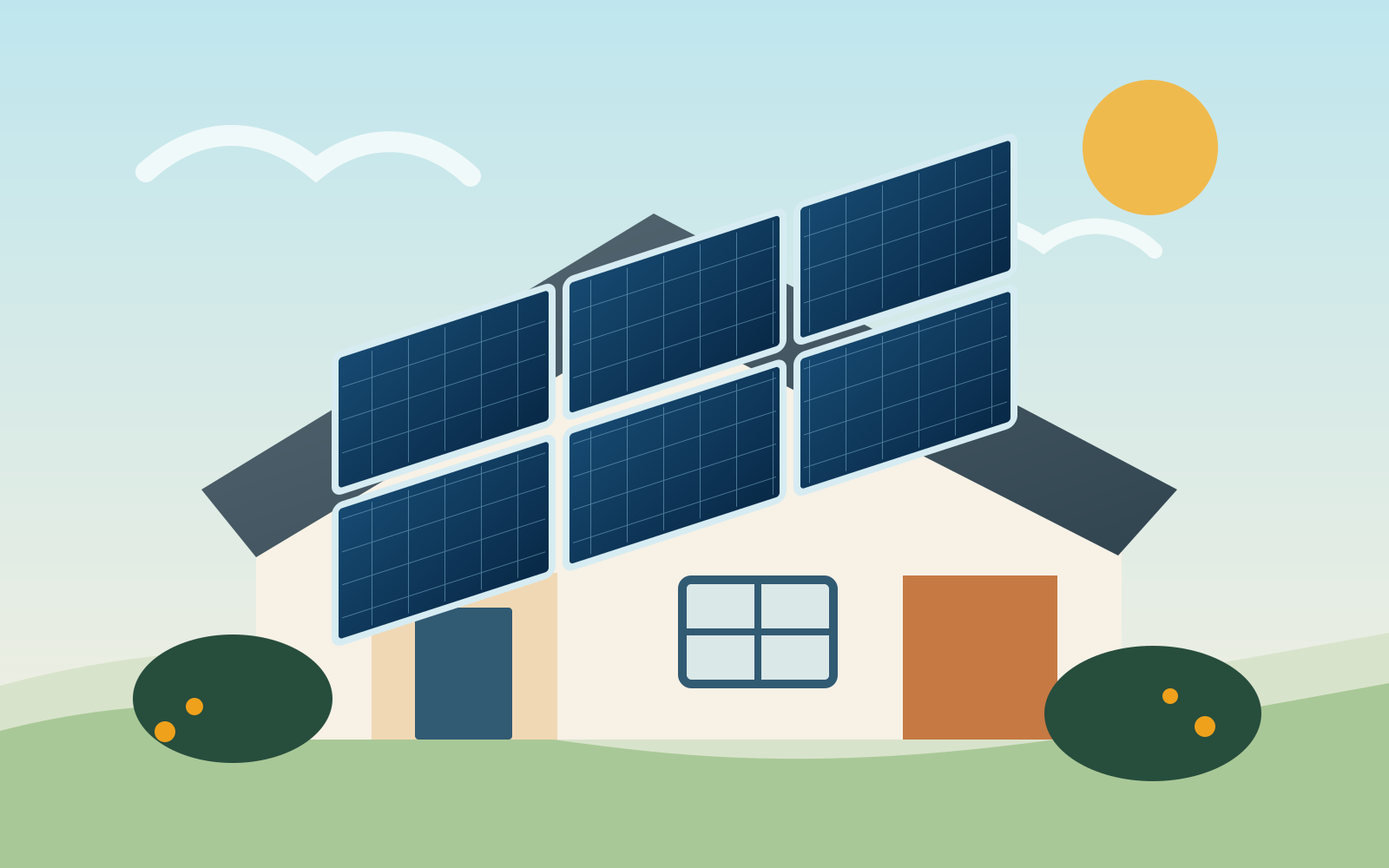
Thinking about going solar but worried that it might damage your roof? This is a common concern when considering solar installation. Since solar panels are installed on the roof, it is understandable to wonder if they can cause leaks or damage.
The good news is that solar panels do not automatically cause roof leaks. What matters most is the condition of the roof and how the solar system is installed. That is why checking the roof before installation is an important part of the process.
The short answer
A sound roof and a properly installed mounting system should work together.
- Existing leaks or damage should be identified before installation.
- The mounting method should suit the roof type and condition.
- Flashing, sealants, and waterproofing should protect worked areas.
- Quality materials still need correct professional installation.
- Clear after-sales support matters if the roof or system needs inspection later.
Check Your Roof Before Installing Solar
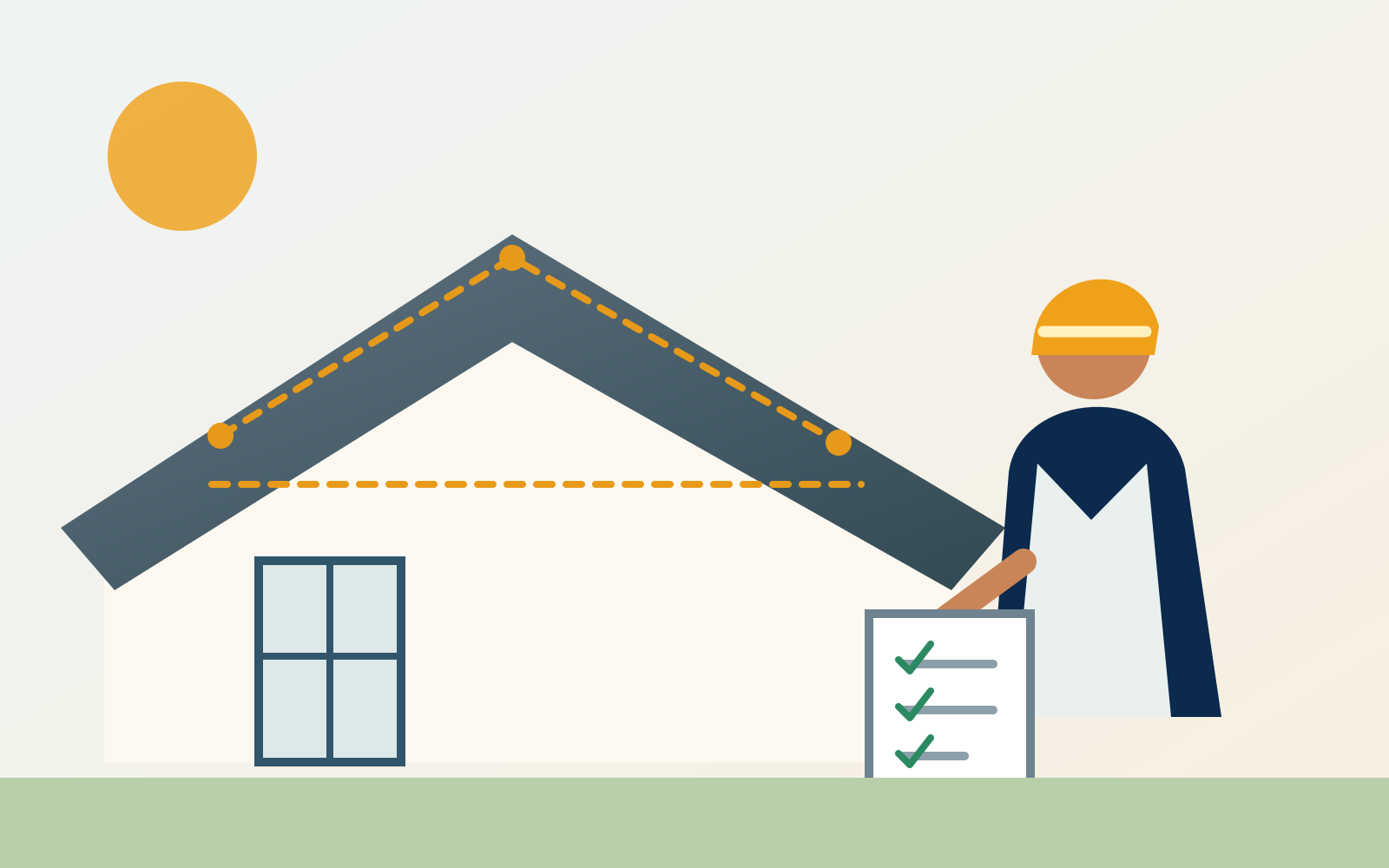
Before installing solar panels, the roof should be checked to make sure it is in good condition. If there are existing leaks, cracks, damaged roofing materials, or other issues, these should be identified before installation.
Addressing them early can help prevent bigger problems in the future. A proper roof assessment also helps determine the appropriate installation method based on the type, condition, and structure of the roof. This review is part of planning a site-specific residential solar system or commercial solar project.
Can Solar Panels Cause Roof Leaks?
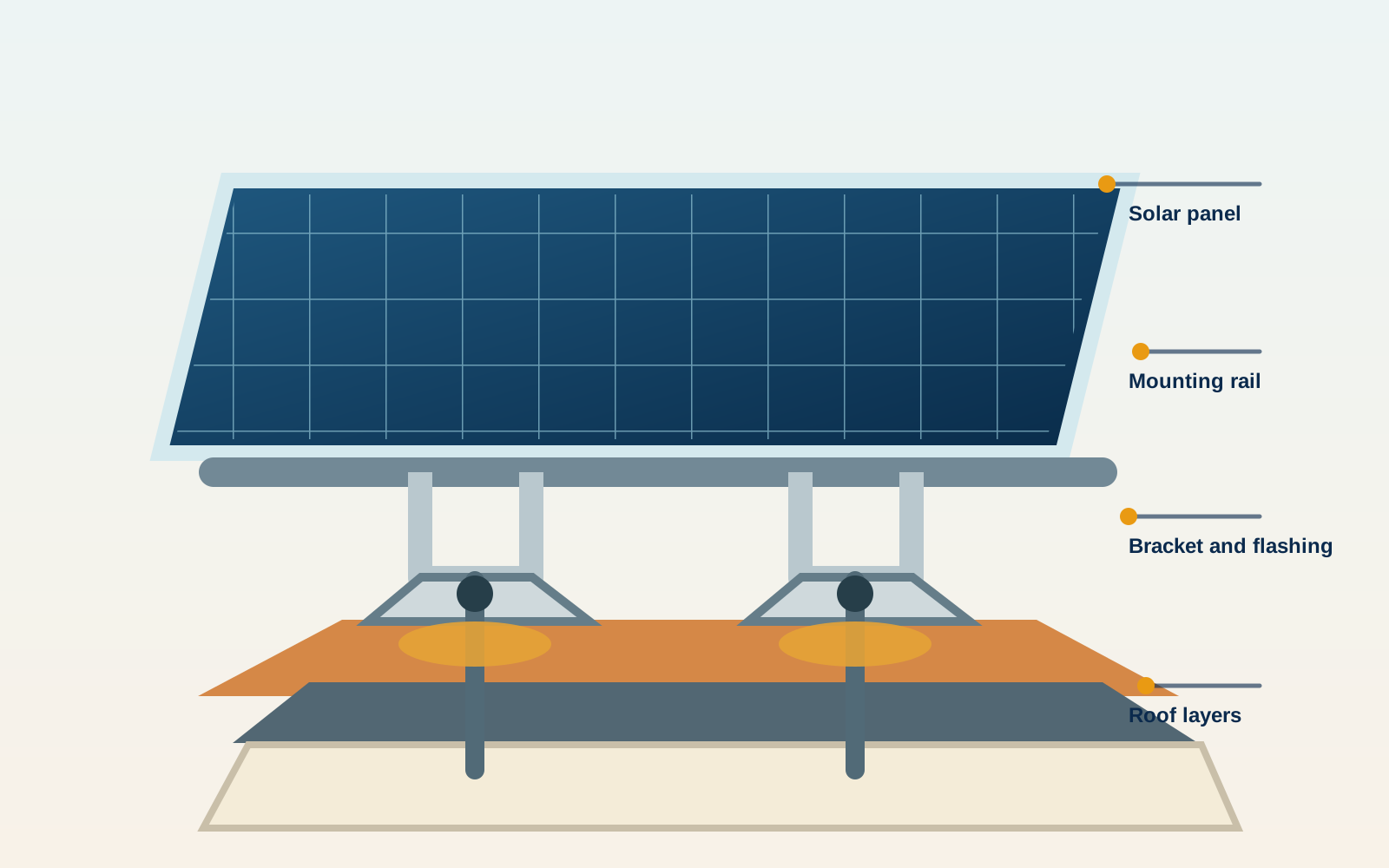
Solar panel installation may require mounting equipment to be attached to the roof. If these mounting points are not installed or sealed properly, water can potentially find its way through.
This is why proper installation is important. Mounting systems, flashing, sealants, and waterproofing all play a role in protecting the roof from water intrusion. When these are properly installed, the risk of leaks and unnecessary roof damage can be reduced.
Why Proper Mounting Matters
The mounting system keeps the solar panels securely in place. It should be appropriate for the type and condition of the roof. The location of the panels and mounting points should also be carefully planned before installation.
Proper planning helps keep the panels secure while avoiding unnecessary impact on the roof.
Don't Forget About Waterproofing
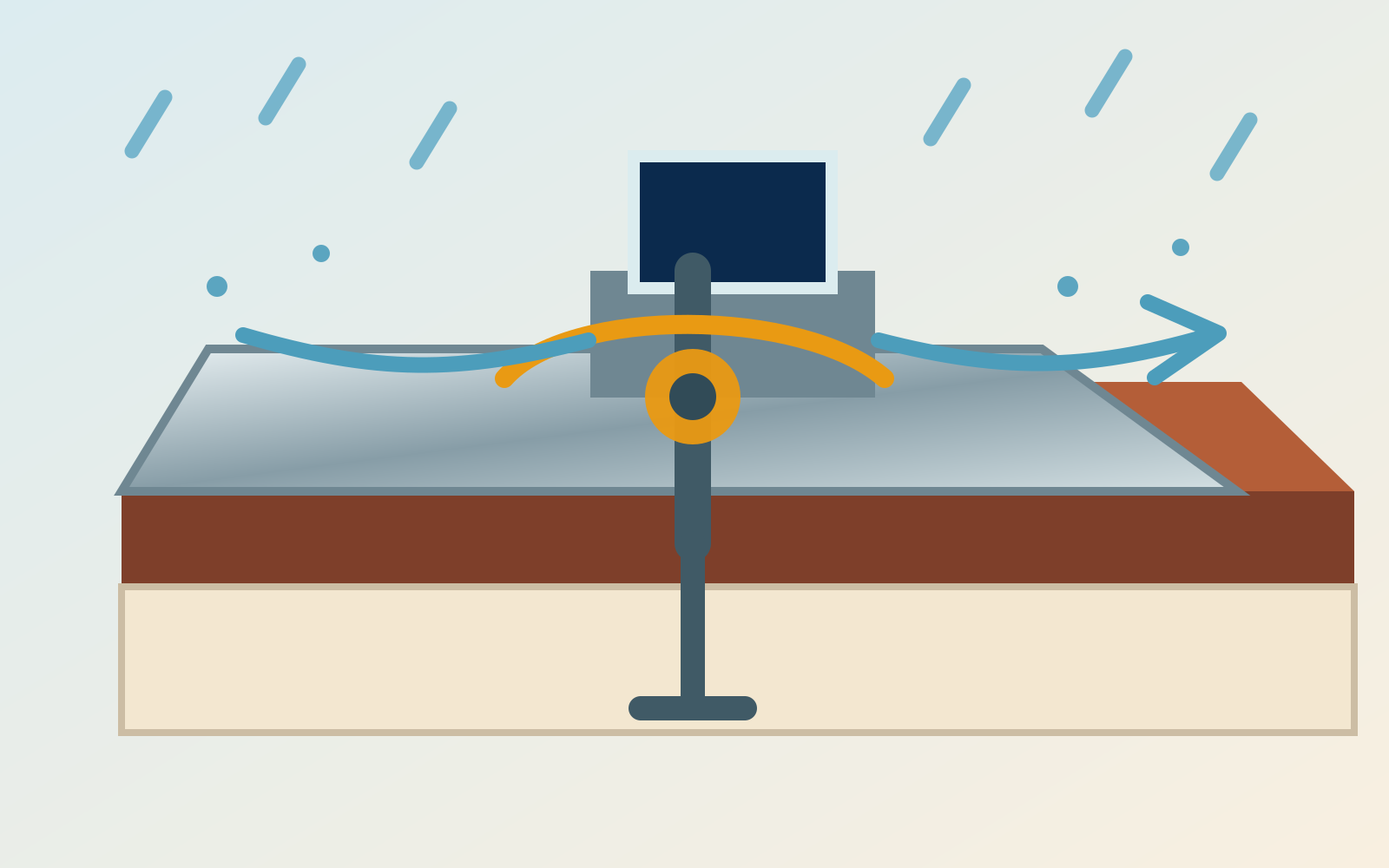
Proper sealing is another important part of solar installation. Flashing and waterproofing help prevent rainwater from entering the roof, especially around areas where mounting equipment is installed. Even a small opening or poorly sealed area can eventually become a source of water intrusion. That is why these details should not be overlooked during installation.
Quality Materials and Proper Installation
Using quality materials is also important when installing a solar system. Mounting equipment, sealants, flashing, and other installation materials should be suitable for the project and the type of roof being worked on.
However, good materials alone are not enough. They also need to be installed correctly to perform as intended. Both the quality of the materials and the quality of the installation matter when it comes to protecting the roof.
A Proper Solar Installation Should Protect Your Property
Going solar is an investment, so the installation should not create unnecessary problems for your property. At Bright Horizon Solar, roof assessment, proper mounting, sealing, flashing, waterproofing, and professional installation are important parts of the process.
The goal is to install a solar system properly while helping protect your roof, your property, and your investment in solar energy. Documented solar maintenance and after-sales support also provide a clearer path when an inspection or follow-up is needed.
What to Check Before Going Solar
Before installing solar panels, it helps to check:
- The current condition of the roof
- Existing leaks or damage
- The type of roofing material
- The appropriate mounting system
- Proper sealing and waterproofing
- The quality of installation materials
- The experience of the installation team
- Available after-sales support
Taking the time to check these things can help make the installation smoother and reduce the risk of unnecessary roof problems.
Solar Should Be a Solution, Not a Problem
Solar is meant to help with your energy needs. It should not create another problem for your property. Before going solar, make sure your roof is properly assessed and that the installation is handled with the right materials, mounting system, and waterproofing.
If you are planning to install solar and have concerns about your roof, message Bright Horizon Solar to learn more and schedule a site assessment. You can also read the Solar Cost and Sizing Guide or browse all Bright Horizon Solar articles before requesting an official quotation.
Bright Horizon Solar — Clean Energy Partner.
Frequently Asked Questions About Solar Panels and Roof Leaks
Can solar panels cause roof leaks?
Solar panels do not automatically cause roof leaks. The risk largely depends on the condition of the roof and how the solar system is installed.
Should my roof be checked before installing solar panels?
Yes. Existing leaks, cracks, or damaged roofing materials should be identified before installation.
How can proper solar installation help prevent roof leaks?
Proper mounting, flashing, sealing, and waterproofing help prevent water from entering areas where the roof is worked on.
What if my roof already has damage?
Existing roof problems should be addressed before installing solar panels to help prevent bigger problems in the future.
Does the type of roof matter when installing solar panels?
Yes. The type, condition, and structure of the roof can affect the appropriate mounting and installation method.